Home / Blog / Why Rest Feels So Difficult for High Achievers
High Achievement · Nervous SystemWhy Rest Feels So Difficult for High Achievers
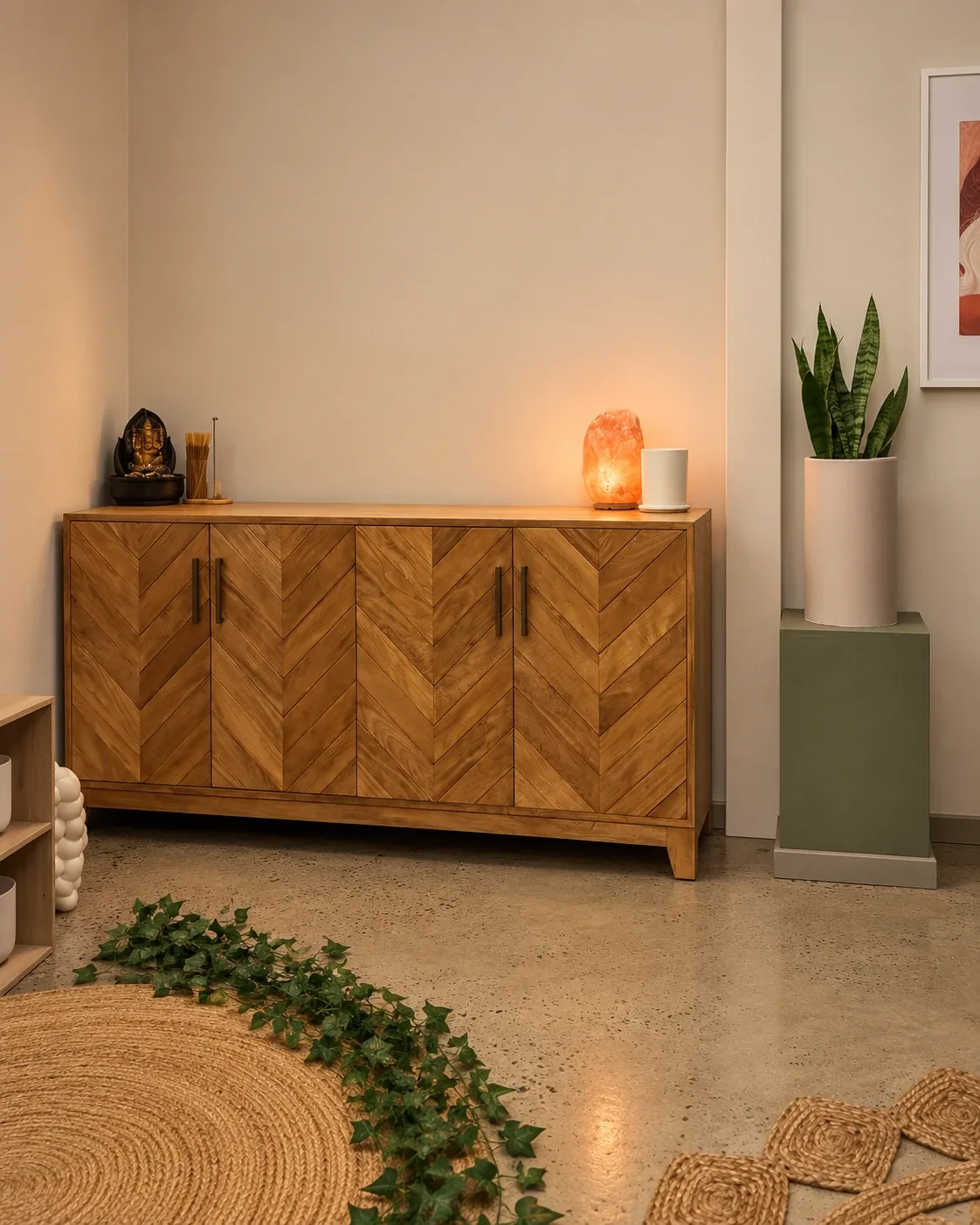
You finally have a free afternoon. No plans, nothing due. And within twenty minutes you're up — wiping a bench, checking your phone, finding a task, anything but sitting there.
If rest makes you restless, if a day off leaves you vaguely guilty instead of restored, you are in very familiar company. For high achievers, rest is often the single hardest thing to do — and it's not a character flaw. There's a real reason behind it.
Rest feels unsafe because it once was
Most driven people learned early that their worth was tied to their output. Maybe love came with achievement. Maybe calm at home depended on you being good, helpful, impressive, low-maintenance. Somewhere along the way, doing became the thing that kept you safe.
When that's the wiring, stopping doesn't feel neutral — it feels like risk. Your nervous system reads stillness as a threat, so it floods you with restlessness and guilt to get you moving again. You're not failing at rest. Your body is doing exactly what it was trained to do.
For a lot of us, "I'll rest when everything's done" is really "I'm not allowed to stop until I've earned it" — and the finish line keeps moving.
Busy has become the baseline
There's also a physiological piece. When you've run at a high level for years, your body adapts to a constant low hum of stress hormones. That state starts to feel like you — normal, even energising.
So when you finally slow down, the contrast is uncomfortable. The stillness feels wrong, empty, almost anxious. Many people interpret that discomfort as proof that rest "doesn't work for them," and rush back to busy where things feel familiar again.
But that discomfort isn't a sign to stop. It's the sound of a system that's forgotten how to downshift, beginning to relearn.
Why "just relax" doesn't work
You can't talk an activated nervous system into calm, any more than you can decide to fall asleep. Rest isn't a decision — it's a state the body drops into once it feels safe enough.
This is why holidays sometimes don't do it, and why lying on the couch can leave you more wired. Without a genuine sense of safety, you've changed your location but not your internal setting.
The way in is usually through the body, not the mind. Slow, sensory, hands-off experiences signal safety on a level thinking can't reach — which is exactly what practices like sound healing and Reiki are designed to do. You're not being asked to relax. You're being given the conditions where your body finally chooses to.
Teaching your system that rest is allowed
Rest, for people like us, is a skill you rebuild — gently, in small doses:
- Start smaller than feels worthwhile. Two minutes of doing nothing is a rep. You're training tolerance, not taking a sabbatical.
- Expect the guilt and let it pass. The discomfort isn't a verdict. It fades a little each time you don't act on it.
- Rest before you're wrecked. Waiting for burnout to force your hand teaches your body that rest only comes after collapse.
- Notice what earned rest costs you. If you only allow it once everything's done, look honestly at whether that day ever actually comes.
Sometimes the belief underneath is too old and deep to shift by willpower alone — rest must be earned, I am what I produce. When it lives that deep, insight rarely moves it. That's the layer I work with in PSYCH-K: gently updating the rule so that resting stops setting off the alarm.
You're allowed to stop before the work is finished
Here's the truth high achievers most need to hear: the work is never finished. There will always be one more thing. If rest waits for the list to end, it waits forever.
You don't have to earn your way to stillness. You're allowed to be a person, not just a producer — and the version of you that rests is the one with something left to give.
Ready to let your body switch off?
One unhurried session in a private studio inside Ark Sports Club in Burswood. Nothing asked of you but to arrive.
Book Your Session